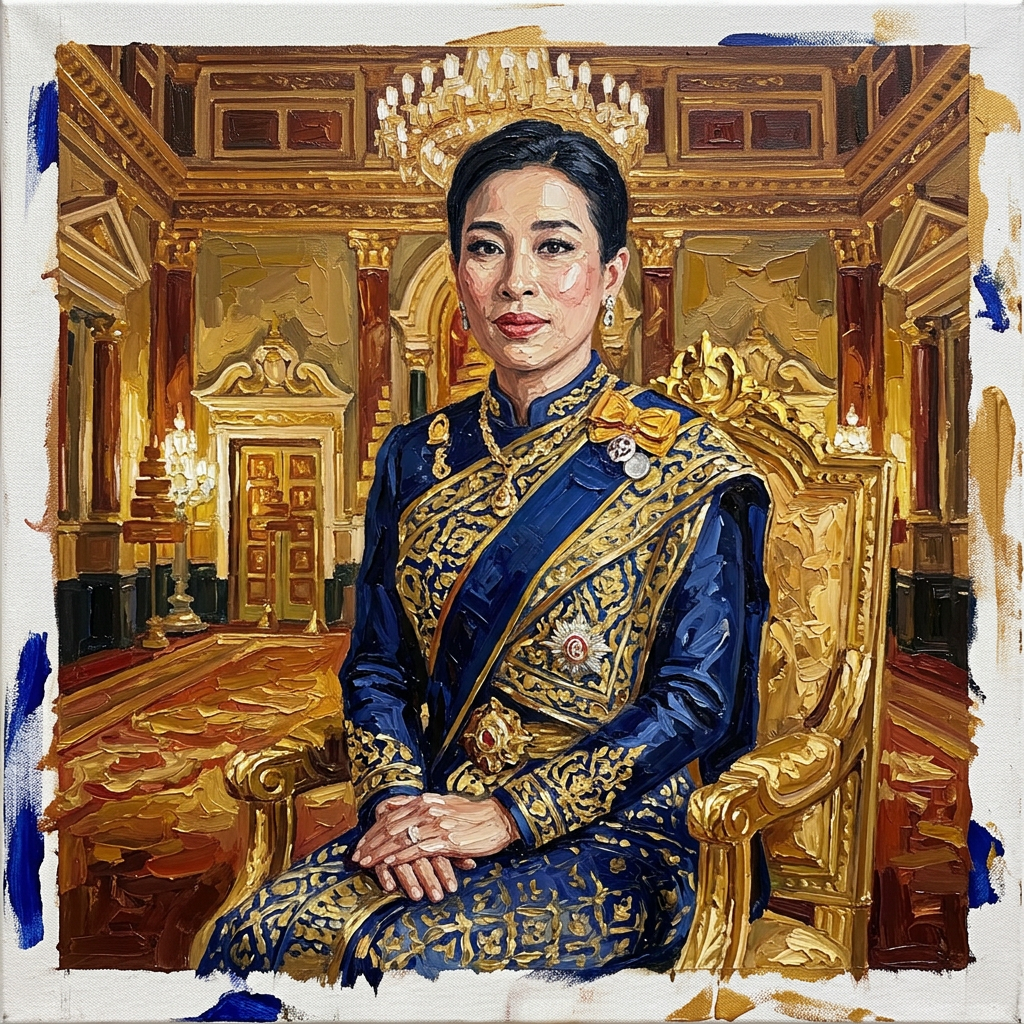
The eldest daughter of King Maha Vajiralongkorn passed away on 11 June 2026 at Chulalongkorn Hospital in Bangkok, after three and a half years in a coma following a cardiac event in December 2022.
Thailand’s Princess Bajrakitiyabha has died.
The announcement came from the Bureau of the Royal Household on 11 June 2026. The princess passed away at 3.55pm at Chulalongkorn Hospital in Bangkok, where she had remained since collapsing during a military dog training exercise in Nakhon Ratchasima province on 14 December 2022. She was 47 years old.
The cause of her original collapse was a severe cardiac arrhythmia resulting from inflammation. She never regained consciousness. In late May 2026, her condition deteriorated sharply when she developed a bloodstream infection caused by intestinal inflammation. Despite treatment, the infection spread to multiple organs. Her blood pressure fell. Her heart rhythm became erratic. The medical team could not stop it.
King Vajiralongkorn has ordered full royal funeral rites with the highest honours in accordance with Thai royal tradition. The princess’s remains will lie in state at the Pimarn Rattaya Throne Hall inside Bangkok’s Grand Palace. The duration of the funeral period has not yet been announced.
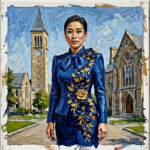
Princess Bajrakitiyabha was the eldest of the king’s seven children and the only child of his first marriage, to Princess Soamsawali. She was educated at Thammasat University in Bangkok, then at Cornell University in New York, where she earned both a master’s degree and a doctorate in law. She worked as a public prosecutor, served as Thailand’s ambassador to Austria, and was appointed a goodwill ambassador for the United Nations Office on Drugs and Crime in 2017.
She was known in Thailand as Princess Bha. She was known internationally for her Kamlangjai, or Inspire, campaign — a programme focused on rehabilitating imprisoned Thai women before their release. Her work led directly to the United Nations General Assembly adopting what became known as the Bangkok Rules, a set of international standards governing the care and conditions of women in prison. It was a genuine legacy, built through years of practical legal and diplomatic work.
Outside the hospital in Bangkok, mourners gathered holding photographs of her. Most had brought framed or laminated portraits from across the years of her public life. Some wept. Others stood in silence. The scene repeated itself across the country as the news spread.
Condolences arrived from across the world. Among the first came from Bhutan’s King Jigme Khesar Namgyel Wangchuck and Queen Jetsun Pema, who praised the princess’s lifelong devotion to public service.
The question of succession to the Thai throne, already complicated by the king’s failure to name an heir, now becomes more pressing. That conversation is for another day. Today Thailand is mourning a princess who, by any measure, earned her country’s grief.
The palace says nothing. Which tells you everything.
Marcus Webb is Crown & Court’s Royal News Correspondent. Fleet Street trained, with twenty years covering the British royal family, he has stood outside more palaces in the rain than he cares to count.
“The palace says nothing. Which tells you everything.”