Crown Chronicles: history that still shapes the throne.
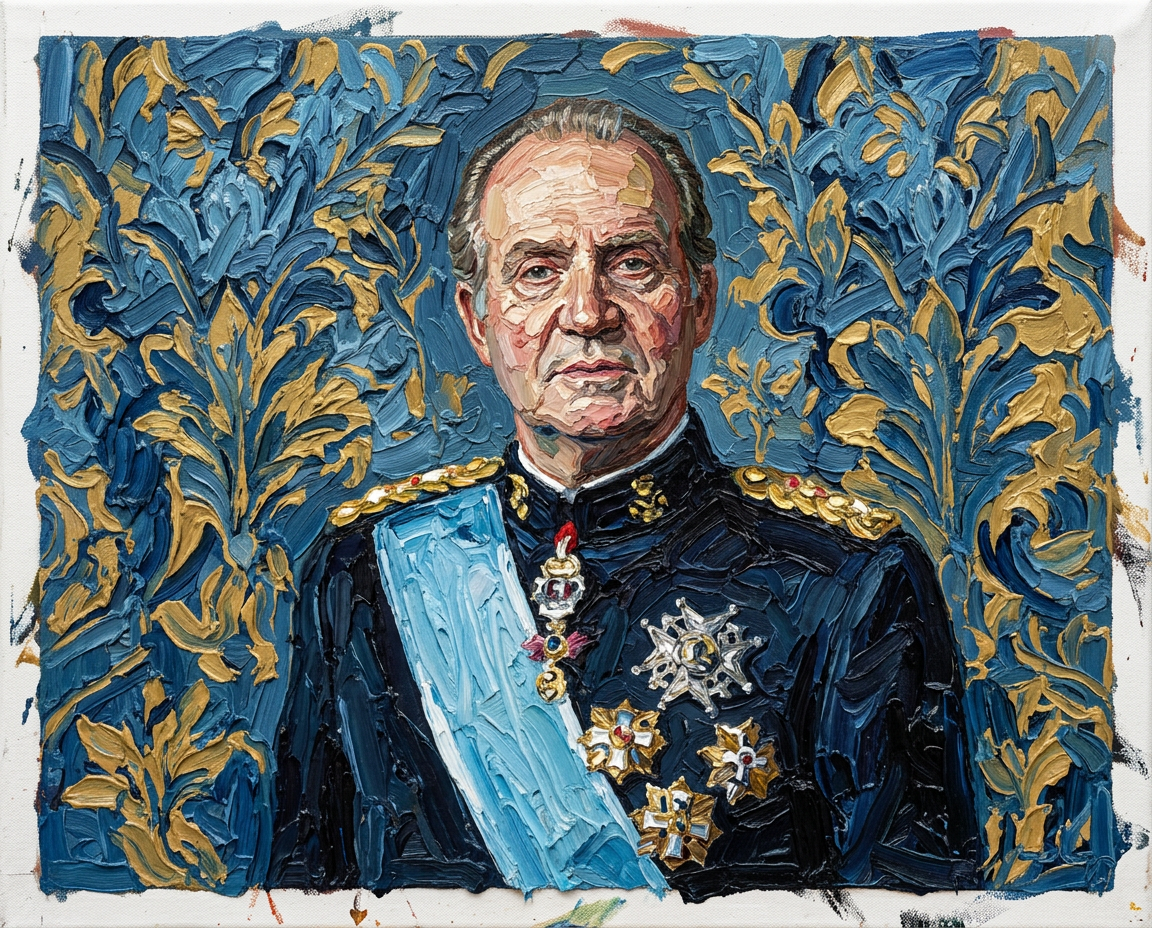
Juan Carlos I reigned as King of Spain for thirty-nine years. He spent the first decade of that reign building something genuinely remarkable. He spent the last decade watching it come apart.
He was born in Rome in 1938, in exile. His grandfather Alfonso XIII had been the last king of Spain before the abolition of the monarchy in 1931 and the subsequent declaration of the Second Spanish Republic. Juan Carlos grew up knowing he might never sit on a throne at all. Then General Francisco Franco, the dictator who ruled Spain from the end of the Civil War, made an unexpected decision. He named Juan Carlos his personal successor in 1969, passing over the boy’s own father. Franco calculated that he was choosing a compliant heir who would maintain the regime. He was wrong.
Franco died on 20 November 1975. Juan Carlos was proclaimed king two days later. What happened next surprised almost everyone watching. Rather than preserving the authoritarian state that had groomed him, the new king moved quickly and deliberately toward democracy. He appointed Adolfo Suárez as Prime Minister, a reformist who guided the country through the transition. By December 1978, Spain had a new constitution, approved by referendum, establishing a parliamentary monarchy. A country that had lived under dictatorship for four decades had become a constitutional democracy in three years. The speed of it was extraordinary.
The test came on 23 February 1981. Two hundred Civil Guard officers, led by Lieutenant Colonel Antonio Tejero, stormed the Spanish Congress, fired shots into the chamber and held members of parliament hostage for eighteen hours. It was a direct attempt to reverse the democratic transition. Juan Carlos appeared on national television in military uniform and told the armed forces in plain terms that he would not support the coup and expected their obedience to the constitution. The hostage-takers surrendered. The king later said he knew it would work because Franco had named him commander-in-chief and the soldiers understood the chain of command. Whatever the mechanics, it worked. Spain’s democracy survived its most serious challenge, and King Felipe VI, who later built his own reputation as a steady constitutional monarch, was seven years old.
For roughly two decades after that night, Juan Carlos was one of the most admired monarchs in the world. He was considered the architect of a democratic transition that became a model studied by other countries attempting similar shifts. His approval ratings in Spain were consistently high. British Prime Minister David Cameron called him a great friend of the United Kingdom. The European Commission praised his commitment to Europeanism and modernity.
Then the image began to fracture. In 2012, while Spain was in the grip of a severe economic crisis with unemployment running above twenty-five percent, Juan Carlos broke his hip on an elephant hunting trip in Botswana. The optics were catastrophic. A king who had built his reputation on solidarity with the Spanish people had been photographed, privately and expensively, in Botswana. He apologised publicly, one of very few times any monarch had done so in modern memory. It did not fully repair the damage.
His son-in-law Iñaki Urdangarin was convicted of embezzlement in 2017 and jailed. His daughter Cristina was cleared of charges but had stood trial. Investigations into Juan Carlos’s own finances followed, centring on alleged payments connected to a high-speed rail contract in Saudi Arabia. He abdicated on 19 June 2014, handing the throne to his son Felipe VI. In August 2020 he left Spain for the United Arab Emirates, citing his wish to protect his son’s reign from the repercussions of his personal affairs. Swiss and Spanish investigations were subsequently dropped. He has returned to Spain for occasional visits since 2022.
The retrospective view is genuinely complicated. The democratic transition was real and its effects were lasting. The 1981 coup intervention may well have saved Spanish democracy. By those measures, Juan Carlos I did more substantive good for his country than most monarchs of the twentieth century managed. The fall was also real, and it was self-inflicted, which makes it harder rather than easier to set aside.
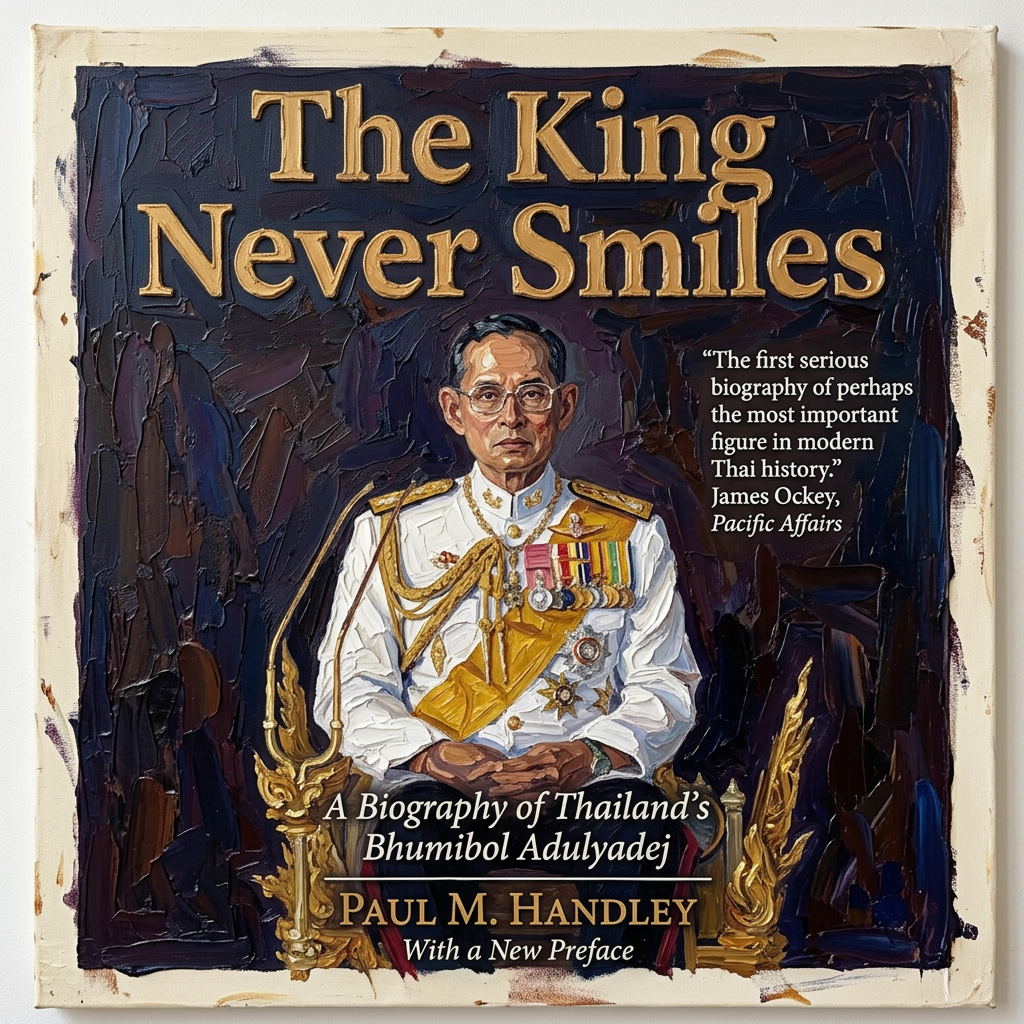
Paul Preston’s biography, Juan Carlos: Steering Spain from Dictatorship to Democracy, covers the full arc of that story in more depth than any other English-language account. Worth reading before you form a final verdict.
Marcus Webb is Crown & Court’s Royal Correspondent. Fleet Street trained, with twenty years covering British royals, he writes fast, writes fair, and has stood outside Buckingham Palace in the rain more times than he can count.
“The palace says nothing. Which tells you everything.”