Crown Chronicles: history that still shapes the throne.
I have been writing about royal ceremonies long enough to know that the moment a crown is placed on a new monarch’s head is, in most traditions, the single most charged instant in the entire ritual. But when I first learned that the King of Thailand places the crown on his own head, I found myself sitting with that detail for a long time.
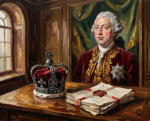
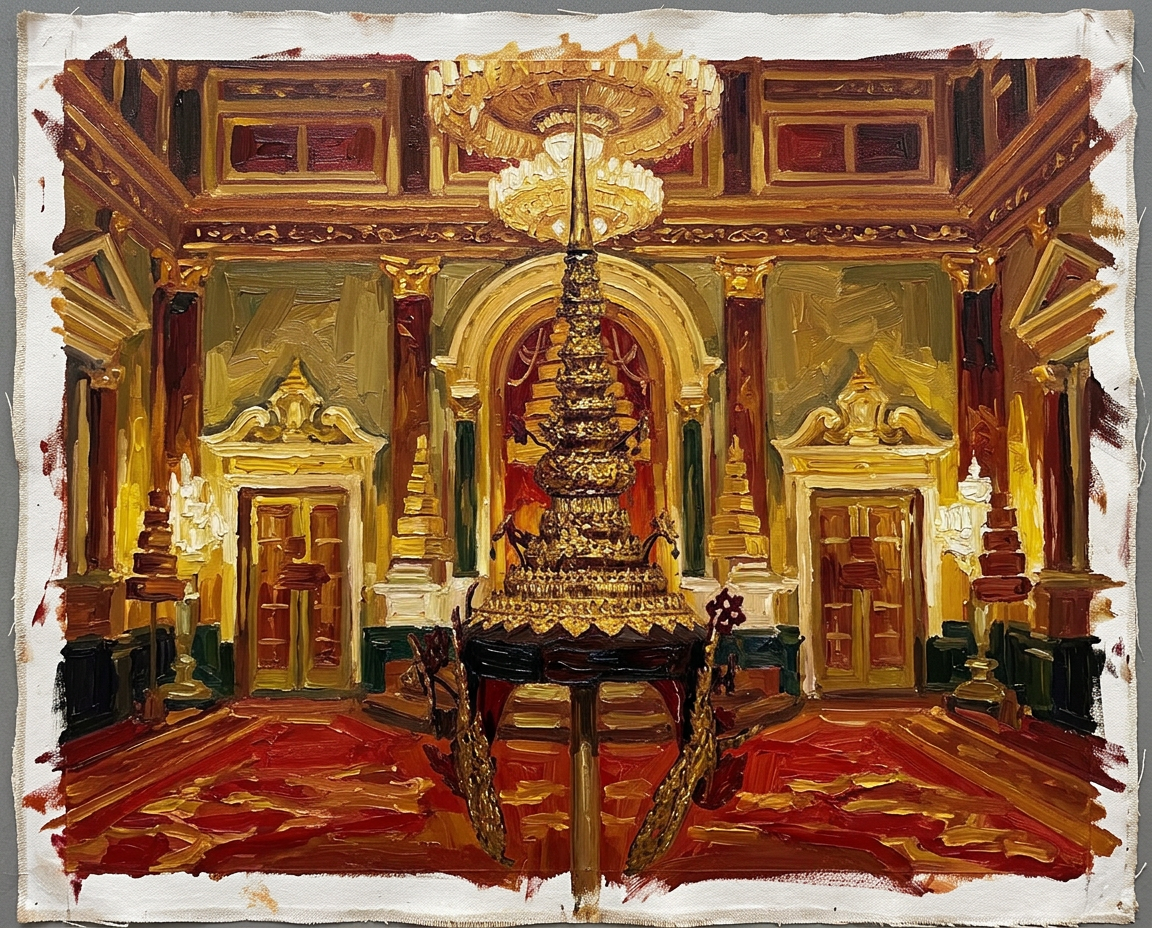
It is called the Great Crown of Victory, and it is not a crown in the European sense. Nothing about the Thai royal regalia is European in its conception, which is precisely what makes it so worth understanding. The Crown of Victory, Phra Maha Phichai Mongkut in Thai, is a multi-tiered, conical structure of gold enamelled in red and green, standing 66 centimetres tall and weighing 7.3 kilograms. For comparison, Queen Elizabeth II’s Imperial State Crown weighed just under one kilogram. The Crown of Victory was made in 1782 under King Rama I, the founder of the Chakri dynasty, its towering spire representing Mount Meru, the sacred cosmological mountain at the centre of both Hindu and Buddhist traditions. During the reign of Rama IV in the nineteenth century, a large Indian diamond was added to the apex. The chief Brahmin hands the crown to the king. The king places it on his own head. The moment he does, conch shells are blown and drums sound from the priests, and a fanfare rises inside the Grand Palace as salutes are fired outside its walls.
The Crown of Victory is the most visible of the Five Royal Regalia, known collectively as the Benjarajakakuthaphan. The other four are the Sword of Victory, the Royal Staff, the Royal Fan and Fly Whisk, and the Royal Turned-Up Slippers. Each carries its own meaning. The fan, shaped like a tamarind pod, symbolises the king’s obligation to ease the suffering of his people. The slippers are placed directly onto the king’s feet by the chief Brahmin, representing his authority over the whole realm. The Sword of Victory has a history that stretches across national borders in a way I always find rather moving: its ancient blade was found in a lake at Siem Reap by a Cambodian fisherman and presented to Rama I by a Cambodian nobleman in 1783, the year after the dynasty was founded. It has been part of every Thai coronation since.
All five pieces were made in 1782 to replace regalia lost when the ancient kingdom of Ayutthaya fell to Burmese forces in 1767. That fifteen-year gap is worth sitting with. A royal tradition reaching back to the Sukhothai Kingdom of the thirteenth century, interrupted by war and conquest, deliberately reconstructed by a new king in a new capital, and then maintained without interruption across nearly two and a half centuries since. When King Vajiralongkorn, Rama X, was crowned in May 2019, he was invested with the same objects his ancestor Rama I had commissioned for his own coronation two hundred and thirty-seven years earlier.
The ceremony itself is a layered thing, and that layering is part of its meaning. Before the regalia are presented, the king is purified with sacred water gathered from Bangkok and each of Thailand’s seventy-six provinces, a ritual derived from the ancient Hindu Abhisheka rite. The rites are led by Brahmin priests who have maintained an unbroken connection to the royal court since the Ayutthaya period. Buddhist monks also participate, chanting and laying protective thread around the palace buildings. The Thai coronation is neither purely Hindu nor purely Buddhist, but a deliberate synthesis of both, reflecting centuries of cultural exchange across Southeast Asia that Western coverage of Thailand too often misses entirely.
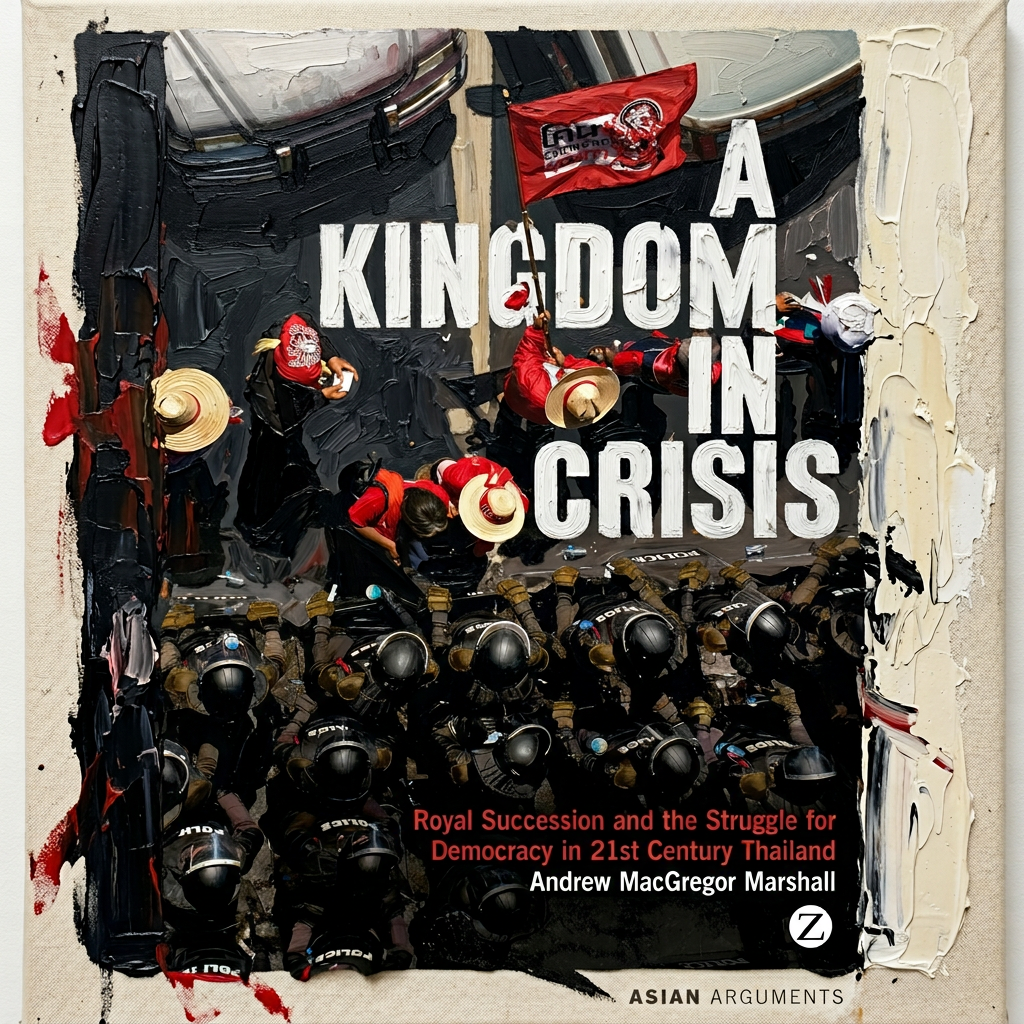
For those of us who cover monarchies beyond the European tradition, the Thai regalia are a reminder that the impulse to create sacred objects that outlast any individual reign, and to pass them forward as proof of continuity, is not a European invention. It is a human one. The succession questions now facing the Chakri dynasty give that continuity an added weight that the ancient craftsmen of Rama I’s court could not have anticipated.
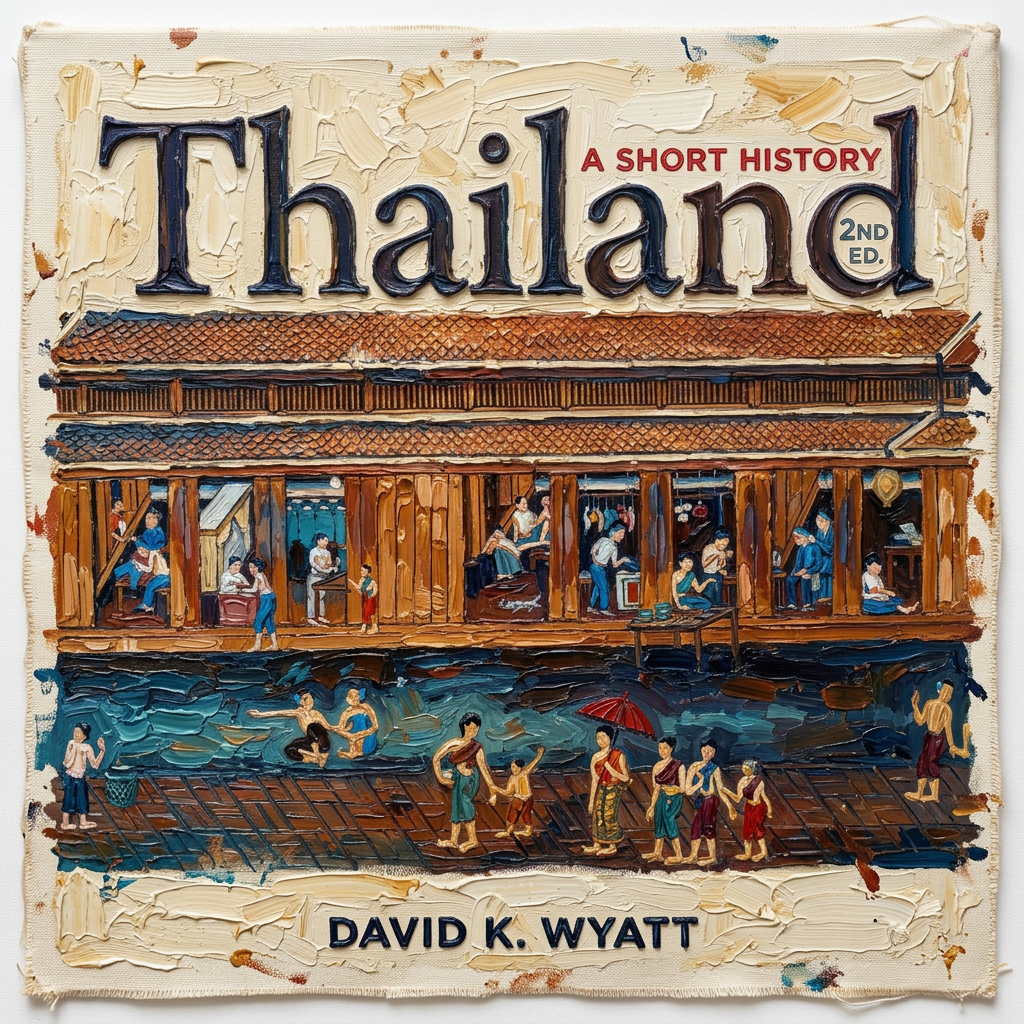
Richard A. Ruth’s A Brief History of Thailand covers the monarchy’s long story more accessibly than almost anything else in English, and it is a good place to start if this ceremony stayed with you.
Nadia Osei-Mensah is Crown & Court’s International Royals Correspondent. Born in Accra, raised in Copenhagen, and educated in Tokyo, she writes about the royal families the Western press too often overlooks.
“Every crown tells a different story. I’m here to translate.”