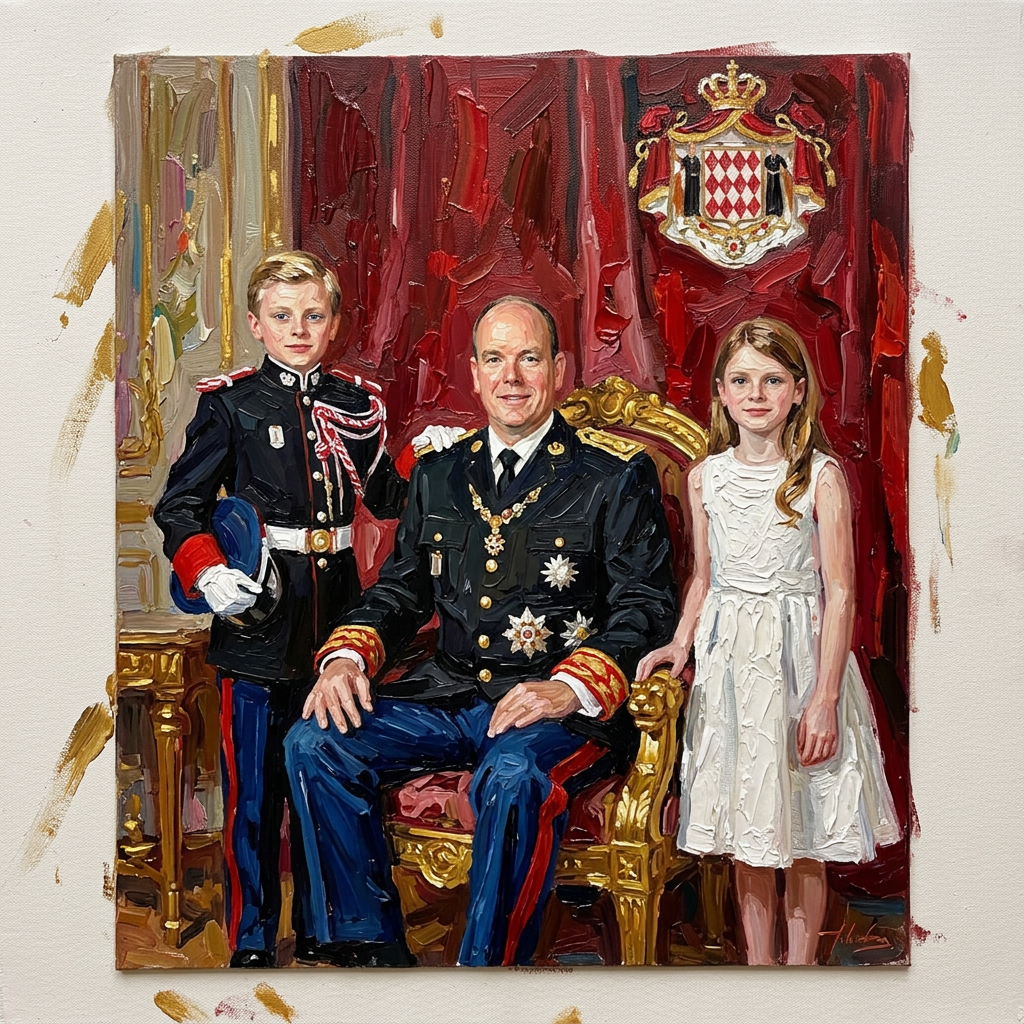
Princess Gabriella of Monaco was born first. Her twin brother Jacques was born two minutes later. Under the law their grandfather’s generation wrote, that two-minute gap settled everything.
On 10 December 2014, at the Princess Grace Hospital Centre in Monaco, Princess Charlene gave birth to twins. Gabriella arrived first; Jacques followed two minutes after. In most circumstances, those two minutes would mean nothing at all. In Monaco, they meant that Jacques became Hereditary Prince and Marquis of Baux, while his older sister ranks second in line behind him, and will for the rest of both their lives.
This is not an oversight. It is Princely Law 1.249 of 2 April 2002, and it was written deliberately, under genuine pressure. Before 2002, Monaco’s crown could pass only to the reigning prince’s own direct descendants, including adopted children. Prince Albert, at the time still heir apparent, had neither a wife nor an heir, and the succession law as it stood threatened something close to constitutional catastrophe: if he inherited the throne and died without a legitimate or adopted child, Monaco’s line of succession would simply run out, and the principality risked falling under French protection by treaty default.
The 2002 reform solved that problem, but it solved it narrowly. It excluded adopted children from the succession entirely, closing the door Albert himself might once have walked through. It opened succession to the reigning prince’s siblings and their legitimate descendants, should the prince have no child of his own. And it did all of this while keeping, fully intact, the same male-preference primogeniture Monaco had used for generations: sons before daughters, regardless of birth order.
For twelve years after that reform, the rule had no daughter to actually overrule. Princess Caroline, Albert’s elder sister, held the position of heir presumptive from his accession in 2005 until Jacques’s birth in 2014, a reminder that the modernised law and the old preference were, for a while, pointing in the same direction simply because no son existed yet to displace her.
Then Jacques arrived, two minutes behind his sister, and the rule did exactly what it was written to do.
Belgium settled this question for itself in 1991; Norway, in 1990. Both moved to absolute primogeniture, eldest child regardless of sex, decades before Monaco’s twins were born. Monaco modernised its own succession law in 2002, addressing a genuine constitutional vulnerability with real urgency, and chose, quite deliberately, not to touch the one rule that would have changed Gabriella’s two minutes from a footnote into the whole outcome.
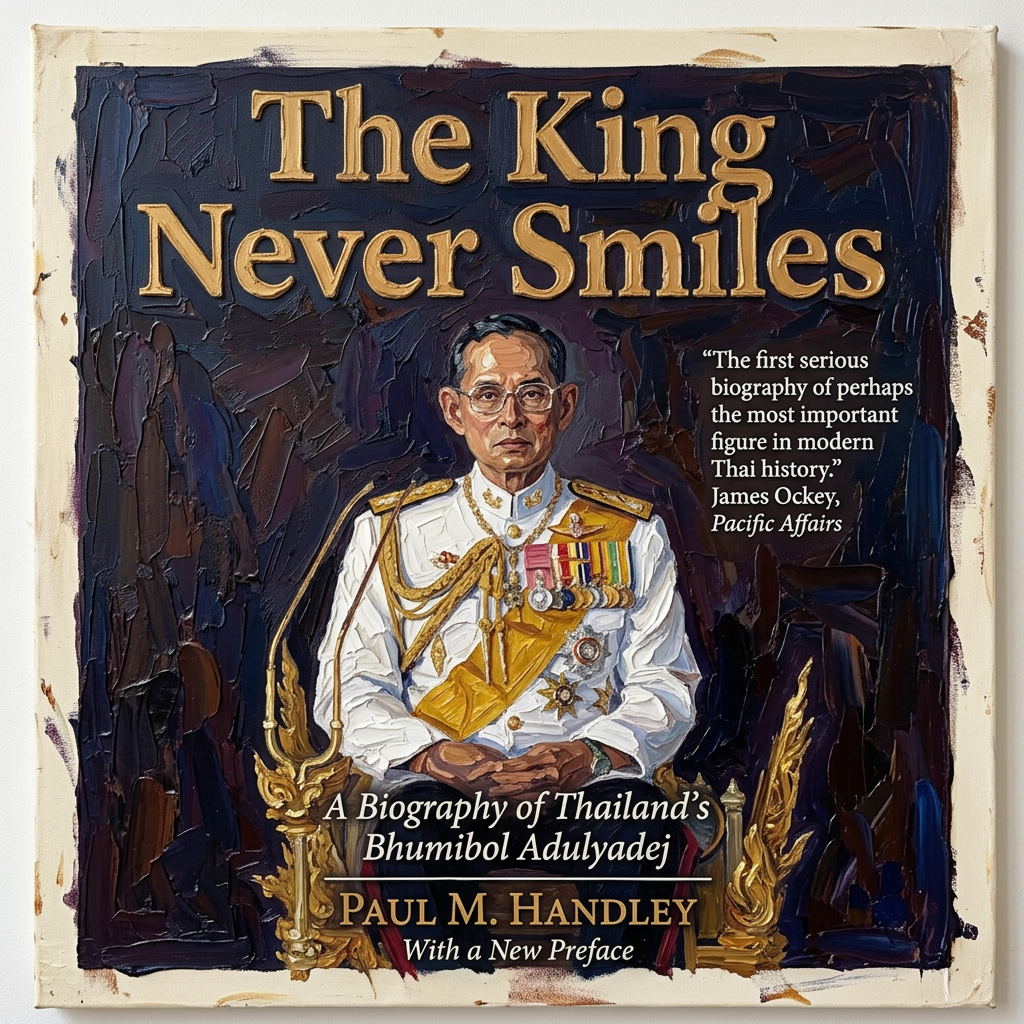
The Grimaldis of Monaco: Centuries of Scandal, Years of Grace by Anne Edwards remains the fullest account of how this family has navigated exactly these pressures across eight hundred years, survival by treaty, by marriage, and, evidently, by minute.
Gabriella will spend her life as Countess of Carladès, a title with its own long history and its own dignity. She will simply spend it standing two minutes, and one law, behind her brother.
Edmund Calloway is Crown & Court’s Royal History correspondent. A retired Oxford professor with thirty years studying European dynastic history, he writes with the unhurried authority of someone who has spent considerably more time in archives than in front of cameras.
“History doesn’t repeat itself — but dynasties certainly do.”