This article may contain affiliate links. Crown & Court may earn a commission from qualifying purchases, at no extra cost to you.
One appearance can empty a stockroom by teatime. This is the commercial machinery hiding inside a royal wardrobe.
A website buckles under the traffic. A stockroom in London empties before lunch. Somewhere a small British label refreshes a sales figure and does not quite believe it.
This is not admiration. This is economics.
When Catherine, Princess of Wales, wears a thing, that thing moves. Off the rail. Out the door. Into the wardrobes of women who will never meet her and would not dream of asking her opinion. The phenomenon has a name. The Kate Effect. And it has been quietly rewriting the commercial logic of British fashion for well over a decade.
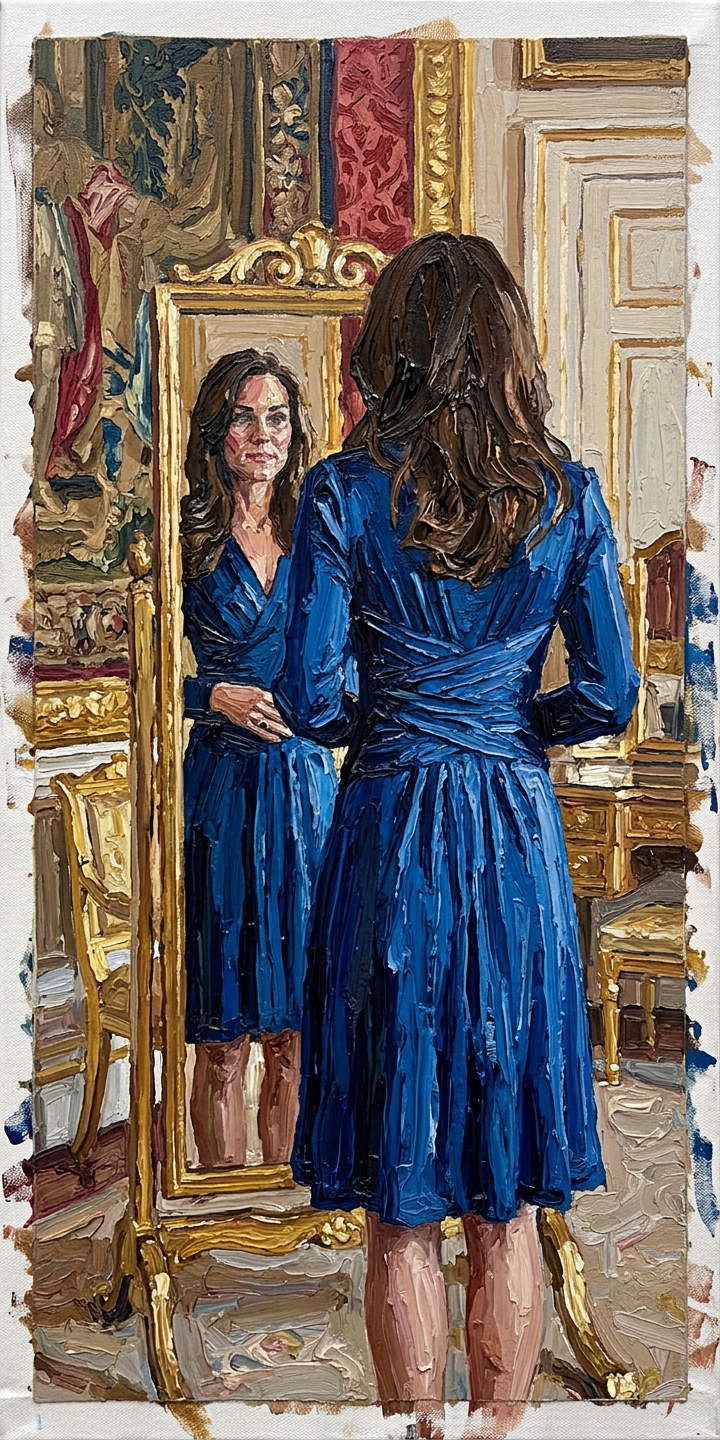
Consider where it began. 16 November 2010. St James’s Palace. A blue silk wrap dress by the London label Issa, chosen to match the sapphire ring that once belonged to Diana. Within minutes the dress had sold out. Reports at the time credited it with lifting Issa’s sales by around 45 per cent. A single appearance. A single dress.
Then the twist that nobody predicted. The demand was so ferocious that Issa could not finance the production to meet it. The label later went into administration before relaunching in 2015. The dress lives on, sold now as the Kate Tie Wrap Dress for around £99. She did not just make a brand. She overwhelmed one.
The pattern repeated, again and again, with a kind of ruthless consistency. Reiss watched its website crash after she wore their designs, with one style reported to sell at roughly one piece every minute. The tiny label Eponine London said her patronage put their business on a far bigger map. A £40 Topshop dress vanished. In May 2025 a navy Suzannah coat dress priced at £1,850 was all but gone from the brand’s own site inside a day.
The interesting part is not that things sell. It is how fast, and to whom.
Look at the data around the No Time To Die premiere. She arrived in a gold sequinned Jenny Packham gown, and searches for gold sequinned dresses reportedly jumped by more than 800 per cent in a single week. Not sales of that exact gown. The category. She does not shift one item. She reroutes desire.
And then there is the cleverest lever of all. She wears things twice. When she wore the same Gucci gown to two separate events, the fashion press did not read it as thrift. They read it as endorsement. Every repeat appearance sends buyers hunting all over again, and it hands a brand something no advertising budget can buy. Longevity. Proof the piece was worth owning in the first place.
None of this is scattered luck. It is directed at British design with intent. When she chose Catherine Walker for Trooping the Colour, or stepped out for her return to Royal Ascot, she was handing homegrown houses a global stage. Jenny Packham. Emilia Wickstead. Beulah London. Suzannah. Names that now travel far beyond Britain, carried there on a single woman’s shoulders.
Commentators keep trying to price all of this. Figures in the billions get thrown around. Newsweek once put her contribution to the British fashion industry at a billion pounds. Treat the precise number with suspicion. Treat the direction of travel as settled fact.
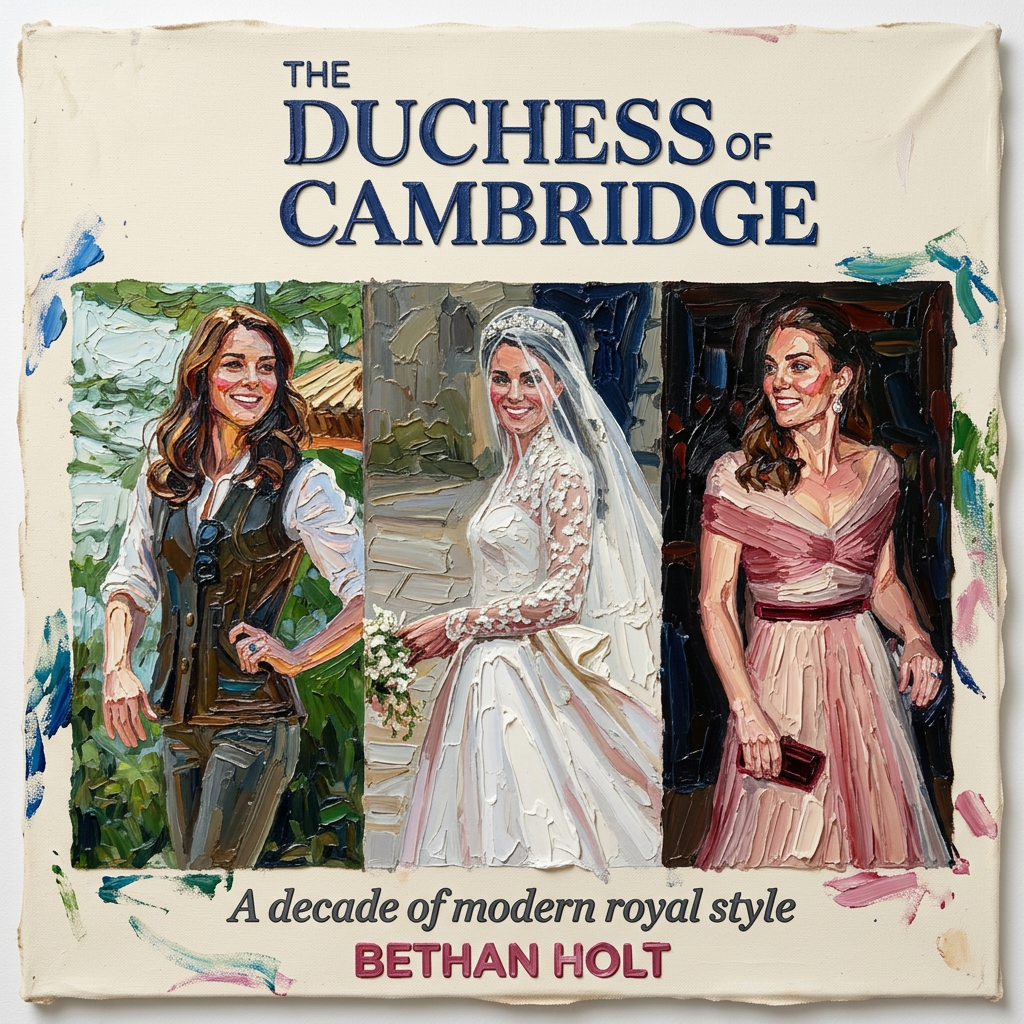
For the full anatomy of how a modern royal wardrobe became a commercial instrument, Bethan Holt’s The Duchess of Cambridge: A Decade of Modern Royal Style reads like a case study in soft power with a receipt attached.
A crown confers authority. A wardrobe, it turns out, confers cashflow. A royal never gets dressed by accident. This one got dressed and moved a market.
Vivienne St. Claire is Crown & Court’s fashion and style correspondent. A former fashion editor with twenty years spent cataloguing royal style around the world, she has sat front row at couture shows and in palace drawing rooms alike. She writes on the conviction that every wardrobe choice is a political act, and that the quiet choices are the loudest ones.
A royal never gets dressed by accident.